Cinema essay
Guide to Handcrafting Miniature Felt Creatures: From Basics to Realism
Creating miniature animal sculptures through needle felting is a captivating craft that turns raw fibers into soulful, three-dimensional art. Achieving a lifelike appearance requires a blend of anatomical understanding and technical skill. This guide breaks down the essential components of the process, helping you transition from basic shapes to professional-grade animal ornaments.
Jack William Thornton
Desk writer
Spotlight note
The full essay continues below the still.
Reel
Midnight Cinema Desk
Creating miniature animal sculptures through needle felting is a captivating craft that turns raw fibers into soulful, three-dimensional art. Achieving a lifelike appearance requires a blend of anatomical understanding and technical skill. This guide breaks down the essential components of the process, helping you transition from basic shapes to professional-grade animal ornaments.
Selecting the Right Fibers for Your Project
The foundation of a successful felted creature lies in the wool selection. Artists typically categorize wool into "core" and "finishing" layers. For the interior structure, Corriedale or various wool slivers are preferred; their crimped texture allows them to lock together rapidly, creating a dense and durable foundation.
When it's time to add the "skin" or fur, the choice depends on the desired texture. Merino wool is prized for its long, straight fibers, making it perfect for animals with sleek, shiny coats. If you are aiming for a softer, more luxurious feel, alpaca or mohair blends are excellent choices. For rugged, rustic animals like highland cows or terriers, coarser wools such as Shetland provide a naturally weathered look that adds to the sculpture's authenticity.
Mastering Specialized Tools and Needles
The magic of needle felting happens through barbed needles that entangle wool fibers. Beginners should stock a variety of gauges: lower numbers (like 36) are thicker and used for heavy-duty shaping, while higher numbers (like 40 or 42) are ultra-fine for delicate facial work. A "star" needle, with its four-sided barbs, is particularly effective for fast felting and smoothing out surface bumps.
To elevate your work, consider using a reverse-barb needle. This unique tool pulls fibers out from the inside of the sculpture, creating a "fuzz" that mimics soft undergrowth or downy fur. Additionally, using a foam or burlap mat as a workspace protects your needles from breaking and provides a firm surface for intricate detailing.
Structural Design and Proportion
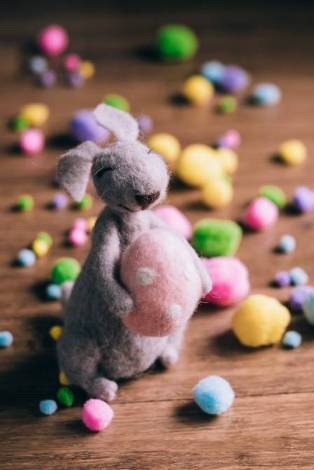
A common challenge in miniature sculpting is maintaining proper proportions. It is best to begin by breaking the animal down into primary components: a sphere for the skull, an elongated egg for the torso, and tapered cylinders for the legs. Using a wire armature—a flexible metal skeleton—provides the necessary support for thin limbs and allows the finished figure to be posed in different positions.
Before permanently joining parts, use sewing pins to test the placement of the head and limbs. This allows you to check the symmetry and "weight" of the pose. Joins should be reinforced by wrapping thin wisps of wool around the connection points and felting them until the seam disappears. This ensures the figure is robust and the transitions between body parts look seamless.
Realistic Detailing and Finishing Touches
The personality of a felted animal is often found in the small details. To create realistic eyes, you can use high-gloss glass beads or needle-felt the eyes using tiny amounts of wool, ensuring you add a "spark" of white to represent light reflection. For paws and noses, building up layers of dark wool or using specialized waxes can create a wet, leather-like texture.
Finally, consider the addition of whiskers and varied fur patterns. Hand-blending different shades of wool rather than using a single solid color will give the coat a natural, sun-bleached appearance. Whiskers can be simulated using monofilament or natural bristles, inserted with a drop of clear adhesive for security. These final elements turn a simple wool toy into a sophisticated piece of handcrafted art.
More from the desk
· Mono
How to Paint a Mailbox
Want to give your mailbox a personal touch? Here’s a step-by-step guide on painting a mailbox to give it a fresh look or help it stand out!
· Mono
Modern Chair Design
Modern chair design is redefining our perception of seating. As we spend more time at home and place greater value on comfort, aesthetics, and functionality, the demand for innovative chair designs has surged. From streamlined minimalism to ergonomic wonders, there’s something to suit every taste. In this article, we’ll explore the latest trends, materials, and technologies that are reshaping the world of chairs. Whether you’re an interior designer, a homeowner, or simply someone who appreciates stylish furniture, this comprehensive guide will offer valuable insights into the captivating realm of modern chair design.

· Mono
Top 5 Surprising Benefits of Adding Plants to Your Study Space
Designing a study area that enhances focus and productivity involves more than just good lighting and an ergonomic chair. One often overlooked element is the addition of indoor plants. Beyond their decorative appeal, plants offer a wide range of cognitive and emotional benefits that can elevate your study experience. From purifying the air to reducing stress and boosting memory, greenery can transform your space into a more supportive learning environment. Let’s explore five compelling reasons why introducing plants into your study setup can positively impact your academic success and overall well-being.

· Mono
Sedan vs. Coupe: How Different Are They?
Not long ago, this was a straightforward question, and car categories were neatly separated. Today, automakers are blending the lines between these two types, creating more overlap than ever. If you’re perplexed by these marketing tactics—or just need a refresher on coupes and sedans—we’re here to clarify.
· Mono
A Comprehensive Manual for Observing Harbor Seal Offspring in California
The California shoreline is a vibrant ecosystem home to numerous sea creatures, including various marine mammals. Among these, the Pacific harbor seal is frequently observed "hauling out"—a term for when they temporarily exit the ocean to rest on land throughout the seasons.

· Mono
The Most Scenic Hiking Trails in Michigan
Michigan’s varied landscapes, impressive natural scenery, and four distinctive seasons make hiking throughout the state an experience worth remembering.