Cinema essay
Wind and Fun: Kites in Art
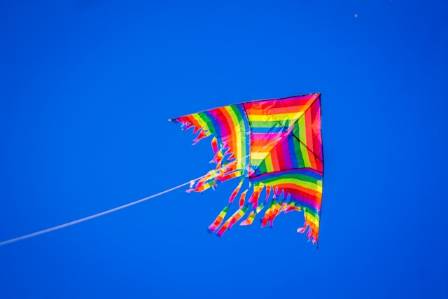
Kite flying is an ancient activity with a history stretching back thousands of years, far beyond its modern image as a joyful summer pastime or festival attraction. The earliest recorded evidence of kite use comes from Ancient China during the Han Dynasty (206 BCE–220 CE).
Matthew Clark
Desk writer
Spotlight note
The full essay continues below the still.
Reel
Midnight Cinema Desk
Kite flying is an ancient activity with a history stretching back thousands of years, far beyond its modern image as a joyful summer pastime or festival attraction. The earliest recorded evidence of kite use comes from Ancient China during the Han Dynasty (206 BCE–220 CE).
At that time, kites served practical purposes, including military applications such as measuring distances, transmitting signals, and even sending messages. In some cases, they were also used for romantic communication. Over time, the practice gradually spread along trade routes to other regions of the world.
Early Spread Across Asia
By the 7th century, kites had reached Japan. Initially, they were used by Buddhist monks for spiritual purposes, such as warding off evil forces and attracting good fortune. However, during the Edo period (1603–1868), kite flying became accessible to ordinary people beyond the samurai class, eventually developing into a widespread recreational tradition.
Across Asia, kite usage expanded in both practical and playful ways. In different regions, kites were used for fishing in Malaysia, competitive kite fighting in India, and even military observation or signaling in China.
Kites in Medieval Europe and Early Innovation
The tradition of kite flying eventually reached medieval Europe. Historical illustrations, such as those found in military manuals like Bellifortis by Konrad Kyeser, depict imaginative uses of kites in warfare, including dragon-shaped designs intended to intimidate enemies.
At the same time, thinkers such as Leonardo da Vinci explored flight-related concepts inspired by natural airflow. His early aerodynamic designs resemble gliders, showing a clear connection between human flight experimentation and kite-like principles.
Scientific Exploration and Benjamin Franklin
Kites also played a role in early scientific discovery. One of the most famous examples involves Benjamin Franklin (1706–1790), who used a kite experiment in the 18th century to demonstrate that lightning is electrical in nature. His research contributed to early developments in electrical science and inspired further studies into energy storage and conduction.
Artistic depictions of Franklin’s experiment often show him flying a kite during a storm, symbolizing the intersection of curiosity, danger, and scientific progress.
Kites in Art and Culture
Kites have also been a recurring subject in visual art across different cultures and time periods. In European and Asian artworks, they are often shown as symbols of leisure, childhood, and freedom.
For example, Dutch and Flemish painters depicted children joyfully flying kites in open landscapes, capturing innocence and playfulness. In Spanish art, Francisco Goya included kite-flying scenes in tapestry designs, presenting a lighter, more cheerful theme compared to his darker works.
In later artistic interpretations, kites appear in more symbolic forms. Some works portray dramatic or surreal scenes, such as kites interacting with animals or natural forces, emphasizing imagination and emotional expression.
Modern Artistic Interpretations
Contemporary artists continue to use kites as visual motifs. In modern paintings, kites often symbolize freedom, nostalgia, and emotional release. Some artworks highlight peaceful childhood memories, while others focus on atmosphere, light, and seasonal change.
Typical modern scenes include children flying kites in open fields during sunset, where long shadows and warm colors create a sense of calm and reflection. The movement of the kite becomes a metaphor for joy, hope, and connection with nature.
Conclusion
From ancient military tools to modern artistic symbols, kites have undergone a remarkable transformation throughout history. They have served practical, scientific, cultural, and artistic roles across civilizations. Whether used for communication, experimentation, or pure enjoyment, kites continue to represent a universal sense of freedom and imagination that transcends time and culture.
More from the desk

· Mono
Sedan vs. Coupe: How Different Are They?
Not long ago, this was a straightforward question, and car categories were neatly separated. Today, automakers are blending the lines between these two types, creating more overlap than ever. If you’re perplexed by these marketing tactics—or just need a refresher on coupes and sedans—we’re here to clarify.
· Mono
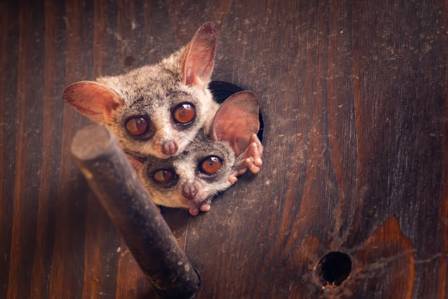
Meet Our Bushbaby Brothers
What creature can turn its head 180 degrees, use its oversized ears like natural satellite dishes, and mark its territory and social partners with urine? The answer is the southern lesser galago, also known as the Moholi bushbaby.

· Mono
Taking Care of Your Lemon Tree
Hello fellow gardeners and citrus lovers. Although our farm is known for magnolias, one of the trees we especially enjoy growing in our nursery is the lemon tree. Beyond the wonderfully fragrant blossoms, there is something incredibly rewarding about adding a freshly picked lemon to a cup of tea or a homemade lemon pound cake and knowing that you nurtured that fruit yourself. To celebrate this beautiful and delicious citrus tree, we’re sharing some helpful tips for caring for a lemon tree and encouraging a plentiful harvest of juicy lemons.

· Mono
Top 10 Most Comfortable Cars You Can Buy Today
While high-performance vehicles with stiff suspension and snug seats are thrilling to drive, they aren’t always the best choice for everyday commutes. Sometimes, all you really need is a peaceful, plush ride that melts away the stress of traffic.
· Mono
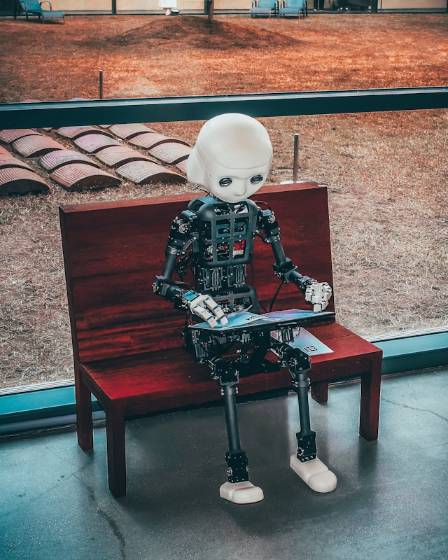
The Evolution of Robotics: Shaping the World's Future
When we conjure images of robots, the mind often drifts to sci-fi-inspired, humanoid automatons that straddle the line between fiction and reality. While such advanced human-like machines remain mostly in the realm of imagination, the world is already teeming with various types of robots. But what are robots exactly? And how will they mold the future?
· Mono
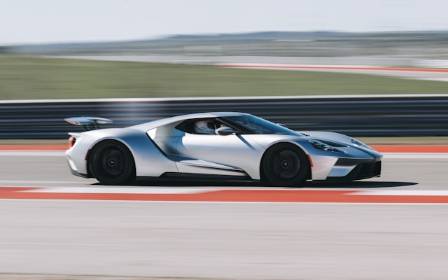
How Racing Cars Work: The Science Behind Motorsports
Racing cars are engineering marvels — not just about speed, but about pushing technology forward. What’s tested on the track often trickles down into everyday vehicles.