Cinema essay
Little known facts about giraffe in the wild
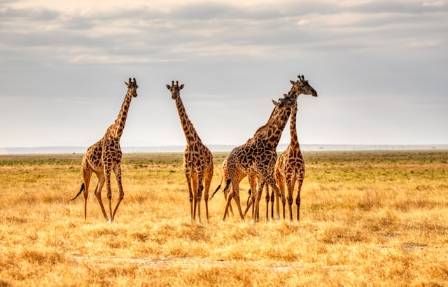
To celebrate the upcoming World Giraffe Day, let’s explore some fascinating facts about giraffes and see how much you really know about these incredible animals. Did you know that a group of giraffes is called a tower? Have you ever heard that giraffes can make sounds similar to horses, cows, and even humans? Did you know World Giraffe Day is celebrated on June 21 because it often falls on the longest day of the year?
Evan Turner
Desk writer
Spotlight note
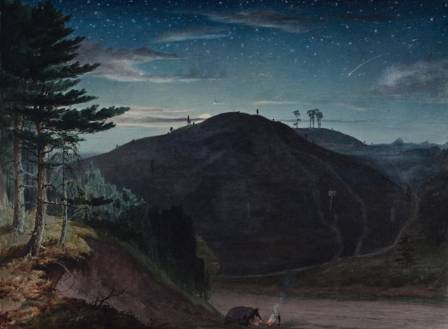
The full essay continues below the still.
Reel
Midnight Cinema Desk
To celebrate the upcoming World Giraffe Day, let’s explore some fascinating facts about giraffes and see how much you really know about these incredible animals. Did you know that a group of giraffes is called a tower? Have you ever heard that giraffes can make sounds similar to horses, cows, and even humans? Did you know World Giraffe Day is celebrated on June 21 because it often falls on the longest day of the year?
If some of these facts are new to you, there is no need to worry. Discovering new information is part of the fun, and learning more about wildlife helps us appreciate the amazing creatures that share our planet. Let’s play Truth or Tall Tale and uncover some surprising facts about the tallest animal on Earth.
Every giraffe has a one-of-a-kind spot pattern.
Every giraffe has its own unique coat pattern. Much like human fingerprints, no two giraffes have exactly the same arrangement of spots. These markings are not only beautiful but also serve an important purpose.
Giraffe spots work as natural temperature-control systems. Beneath each spot is a network of blood vessels that helps the animal release excess heat and maintain a comfortable body temperature in hot environments. Their dark brown markings against their golden coats also help them blend into the grasslands, providing camouflage from potential threats.
With all those patterns helping them hide, do you think you could find a giraffe standing among the savanna trees?
Giraffes have more neck bones than people.
Although a giraffe’s neck can stretch up to eight feet long and weigh hundreds of pounds, it contains the same number of vertebrae as a human neck: seven.
The difference is that each giraffe neck vertebra is much larger, with some measuring up to 10 inches long. These oversized bones connect together to create the famous long neck that makes giraffes so recognizable.
Their impressive necks provide several advantages. They allow giraffes to reach leaves high above the ground, reducing competition for food with other herbivores. Their elevated viewpoint also helps them detect approaching predators, and other animals often pay attention to giraffes because they can spot danger from farther away.
Male giraffes also use their long necks during battles with rivals. This behavior, known as “necking,” involves swinging their necks against one another to establish dominance. It may look fascinating, but it is definitely not something humans should try.
A giraffe’s tongue works like an opossum’s tail.
Giraffe tongues and opossum tails have one interesting feature in common: they are both prehensile, meaning they can grab and hold objects.
A giraffe’s tongue is one of the most impressive in the animal kingdom. It can grow to around 18 inches long, while the average human tongue is only about three to three and a half inches long.
This powerful, flexible tongue allows giraffes to carefully pick leaves from trees, even when those leaves are surrounded by sharp thorns. Their tongues are also protected by a thick, sticky saliva coating that helps defend their mouths from scratches and injuries caused by rough plants.
With such a remarkable tongue, giraffes might just win the competition for the coolest animal mouth accessory.
Male and female giraffes cannot be distinguished.
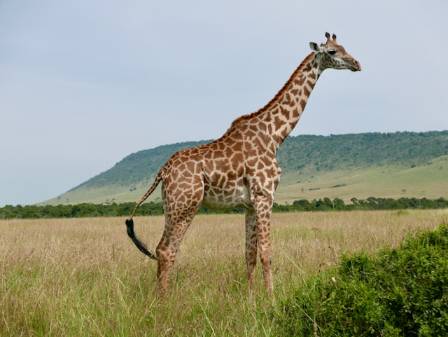
Adult male and female giraffes can be identified by differences in both their size and behavior.
Male giraffes are usually larger, reaching heights of up to 19 feet and weighing more than 4,000 pounds. They can stand taller than some two-story buildings and weigh more than many vehicles. Females are slightly smaller, typically growing up to around 16 feet tall and weighing about 2,500 pounds.
Their horns, called ossicones, also provide clues. Males usually have thicker ossicones with additional bumps and larger structures on top, while females tend to have thinner ones.
Their personalities differ as well. Females are generally more social and often live in groups, while males are more likely to travel alone. If you encounter a solitary giraffe in the wild, there is a good chance it is a male.
The name “giraffe” comes from other animals.
The giraffe’s original scientific name was Giraffa camelopardalis. This name came from the belief that giraffes looked like a combination of two familiar animals: a camel because of their body shape and a leopard because of their spotted coat.
Modern scientists have since identified four distinct giraffe species. The name Giraffa camelopardalis is now used for the Northern giraffe. The other three species are the Reticulated giraffe (Giraffa reticulata), Southern giraffe (Giraffa giraffa), and Masai giraffe (Giraffa tippelskirchi).
Genetic research shows that these species are significantly different from one another, with differences comparable to those between polar bears and grizzly bears. It may sound surprising, but these giraffe relatives are more unique than many people realize.
Cleveland Metroparks Zoo supports giraffe conservation.
Efforts to protect giraffes in the wild require cooperation between conservation organizations, researchers, and zoos. Cleveland Metroparks Zoo works with the Giraffe Conservation Foundation (GCF), founded by Dr. Julian Fennessy, to support giraffe protection efforts.
The Zoo contributes to projects involving population surveys, educational programs, and scientific research focused on giraffe ecology, genetics, and conservation.
GCF collaborates with governments in East Africa to strengthen giraffe conservation programs. Their work includes monitoring Northern giraffe populations in Uganda and studying a mysterious skin condition affecting giraffes that currently has no confirmed cause.
Everyone can help protect wild giraffes.
Protecting giraffes is not only the responsibility of scientists and conservation groups. Individuals can also make a difference.
Visiting zoos that support conservation programs, learning about giraffe protection, and contributing to wildlife conservation campaigns are all ways people can help. When communities work together, we can support efforts to preserve giraffes and ensure these extraordinary animals continue to thrive in the wild.
Every action, big or small, can contribute to a safer future for giraffes.
More from the desk
· Mono
The Evolution of Cotton Candy: From Circus Treat to Cultural Icon
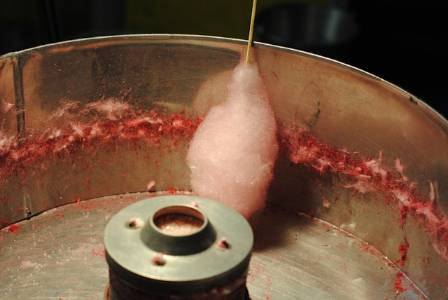
Cotton candy, a fluffy, sugary delight beloved by young and old alike, has undergone a remarkable transformation over the past century—evolving from a simple circus novelty to a globally recognized cultural icon. What began as "fairy floss" at the 1904 St. Louis World’s Fair has since captured hearts across continents, adapting to changing tastes, technological advancements, and cultural traditions while retaining its core essence of joy and nostalgia. From its whimsical origins to its modern gourmet reinventions, cotton candy’s journey reflects not just the evolution of a confection but also the ways in which simple pleasures can become deeply woven into the fabric of shared human experiences. Today, it stands as more than just a sweet treat; it is a symbol of celebration, childhood wonder, and creative innovation, with a rich history that continues to unfold in fairs, festivals, and culinary scenes around the world.
· Mono
How to Paint a Night Sky Tips & Night Sky Painting Tutorial
The fascination with capturing the night sky in art has existed since painting first emerged. Nature has always captivated artists, yet the sky and the universe above remain largely mysterious. This mystery, with its ever-changing lights and subtle color shifts, presents both a challenge and an irresistible allure to painters. The night sky’s beauty can feel almost too magnificent to put on canvas.

· Mono
14 Easy Fruit-Based Desserts to Celebrate Summer’s Refreshing Flavors
Summer is synonymous with sun-ripened fruits—juicy berries, fragrant peaches, tropical mangoes, and crisp watermelons—that bring natural sweetness and vibrant color to every bite. This collection of 14 easy fruit-based desserts celebrates the season’s best offerings, featuring no-bake treats, quick bakes, and frozen delights that require minimal effort but deliver maximum flavor. Whether you’re hosting a backyard BBQ, planning a casual family dinner, or simply craving a light, refreshing sweet, these recipes have you covered. Designed for cooks of all skill levels, they prioritize simple steps, accessible ingredients, and minimal cleanup, so you can spend less time in the kitchen and more time savoring summer. From creamy parfaits to warm cobblers and icy sorbets, each dessert highlights the freshness of seasonal fruit, with subtle twists that keep things exciting without complicating the process.

· Mono
Xiamen Twin Towers
Located in the Yanwu area of Siming District, close to Xiamen University in Xiamen, Fujian Province, Xiamen Twin Towers is one of the city’s most important cultural and tourism landmarks. Recognized as a national 3A-level tourist attraction, the complex combines sightseeing, shopping, entertainment, leisure, and cultural experiences into one destination.

· Mono
Cats as the cutest animal
I’m sure many cat lovers will agree that cats have a special kind of charm. As someone who loves cats too, it is easy to understand why these furry companions have captured the hearts of so many people.

· Mono
Ideas for decorating a minimalist living room
Minimalist interior design is centered around simplicity, practicality, and visual balance. Rather than filling a room with unnecessary furniture and decorations, minimalist design focuses on creating a comfortable, organized, and visually cohesive environment.