Cinema essay
10 Amazing Things Mt. Fuji is Known For
As the tallest mountain in Japan and a designated UNESCO World Heritage Site, Mount Fuji has long fascinated artists, pilgrims, and travelers. Surrounded by lakes, hot springs, shrines, and seasonal landscapes, it represents far more than a scenic landmark—it stands as a powerful symbol of Japanese identity, nature, and spirituality.
Caleb Turner
Desk writer
Spotlight note
The full essay continues below the still.
Reel
Midnight Cinema Desk
As the tallest mountain in Japan and a designated UNESCO World Heritage Site, Mount Fuji has long fascinated artists, pilgrims, and travelers. Surrounded by lakes, hot springs, shrines, and seasonal landscapes, it represents far more than a scenic landmark—it stands as a powerful symbol of Japanese identity, nature, and spirituality.
1. Famous Symmetrical Volcano Shape
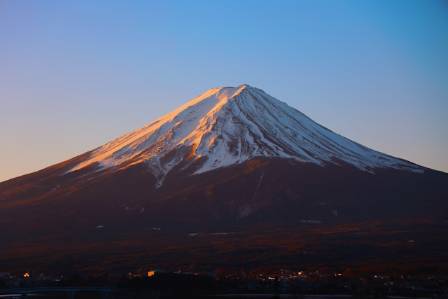
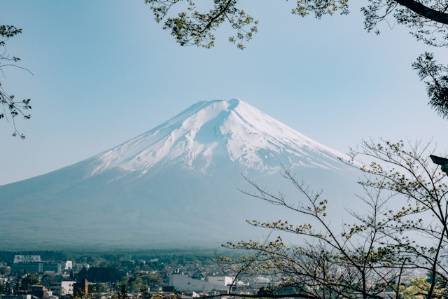
Mount Fuji is instantly recognizable for its nearly perfect cone shape. This balanced silhouette has made it one of the most depicted mountains in art and photography worldwide. It appears frequently in traditional Japanese ukiyo-e prints, including works such as Hokusai’s Thirty-Six Views of Mount Fuji. On clear days, it can be seen from Tokyo and surrounding regions, and viewpoints like Lake Kawaguchi offer especially iconic perspectives.
2. Japan’s Tallest Mountain
Standing at 3,776 meters (12,389 feet), Mount Fuji is the highest peak in Japan. Its impressive elevation allows it to dominate the central Honshu skyline and attracts climbers aiming to reach the summit. One of the most popular experiences is watching the sunrise from the top, a spiritual moment known as “Goraiko.”
3. Sacred and Spiritual Importance
For centuries, Mount Fuji has held deep religious significance. It is closely associated with the Shinto deity Konohanasakuya-hime and has long served as a pilgrimage destination. Shrines located at its base and near the summit highlight its sacred role, and many consider the mountain a symbolic bridge between the human world and the divine.
4. Official Climbing Season
Each year, thousands of hikers attempt to climb Mount Fuji during its official season, which typically runs from early July to early September. There are four main routes—Yoshida, Subashiri, Gotemba, and Fujinomiya—each offering different terrain and difficulty levels. Along the trails, mountain huts provide rest stops, and sunrise summit views are a major highlight of the journey.
5. The Fuji Five Lakes Area
The region surrounding Mount Fuji includes five scenic lakes: Kawaguchiko, Yamanakako, Saiko, Shojiko, and Motosuko. These lakes provide some of the most famous photographic views of the mountain. Visitors can enjoy outdoor activities such as boating, camping, hiking, and relaxing in nature while admiring reflections of the peak.
6. Fujisan Hongu Sengen Taisha Shrine
One of the most important religious sites linked to Mount Fuji is Fujisan Hongu Sengen Taisha. Located in Fujinomiya City, this ancient shrine is dedicated to the mountain’s deity and has historically served as a starting point for pilgrims beginning their ascent. It remains a significant spiritual landmark today.
7. Mount Fuji World Heritage Center
The Mount Fuji World Heritage Center explores the mountain’s cultural, geological, and spiritual significance. Its modern design includes interactive displays, multimedia exhibits, and a distinctive spiral ramp that guides visitors through different aspects of Mount Fuji’s history and global importance.
8. Hot Springs and Traditional Inns
The region around Mount Fuji is well known for its relaxing onsen (hot springs) and traditional ryokan accommodations. Many baths offer outdoor pools with direct views of the mountain. Nearby areas such as Hakone, Fujikawaguchiko, and Yamanakako provide ideal settings for overnight stays combining comfort, culture, and scenic relaxation.
9. Seasonal Beauty: Cherry Blossoms and Autumn Colors
Mount Fuji’s landscape changes dramatically with the seasons. In spring, cherry blossoms frame the mountain in soft pink tones, especially around locations like Chureito Pagoda. In autumn, vibrant red and orange foliage contrasts beautifully with the snow-covered peak, creating some of the most picturesque scenery in Japan.
10. Artistic Influence and Pop Culture Presence
Mount Fuji has inspired generations of painters, poets, filmmakers, and modern creators. It appears in classical Japanese art, literature, and global media, including anime and international cinema. As both a natural wonder and cultural icon, it continues to shape how Japan is represented and imagined around the world.
FAQs About Mount Fuji
What is Mount Fuji most known for?
Mount Fuji is best known for its symmetrical volcanic shape, its status as Japan’s highest mountain, its UNESCO World Heritage recognition, and its deep cultural and spiritual meaning within Japanese tradition.
Why is Mount Fuji considered sacred?
The mountain is viewed as sacred due to its long history of pilgrimage and its association with the Shinto goddess Konohanasakuya-hime. Shrines at various elevations reflect its spiritual importance, and it is often seen as a connection between earthly life and the divine realm.
Is it possible to climb Mount Fuji?
Yes, climbing is allowed during the official summer season from early July to early September. Multiple routes with varying difficulty levels lead to the summit, and many hikers make the ascent to experience sunrise views from the top.
When is the best time to view Mount Fuji?
The clearest views are typically during winter and early spring when skies are less hazy. From October through February, the snow-covered peak is often most visible, especially from nearby lakes and observation points.
What are some interesting facts about Mount Fuji?
Mount Fuji is an active stratovolcano formed from multiple volcanic layers. Its last eruption occurred in 1707, and it remains under geological monitoring. It has also played a major role in Japanese art and cultural history for centuries.
Is Mount Fuji still an active volcano?
Yes, Mount Fuji is classified as active, although it has not erupted for more than 300 years. Geological agencies continue to monitor it closely for volcanic activity.
What does Mount Fuji represent in Japanese culture?
Mount Fuji symbolizes endurance, strength, and natural beauty. It is also seen as a sacred site representing harmony between humans and nature, and it remains one of the most important cultural and spiritual symbols in Japan.
More from the desk

· Mono
Biker Jackets Are Back: 5 Modern Ways to Style Them for Spring 2025
A leather biker jacket has long been a wardrobe workhorse—timeless, versatile, and capable of adding an edgy twist to any outfit. For years, I’ve rotated through beloved versions, some finding new homes, while others remain staples in my closet. This spring, the humble biker jacket is experiencing a major revival, emerging as one of the season’s biggest trends. Unlike its previous iterations—where Alexa Chung and Jameela Jamil paired theirs with minidresses and fedoras for a sleek, polished vibe—this year’s take leans into rougher, more authentic charm. Designers like Prada and ACNE Studios have showcased biker jackets with distressed details, oversized silhouettes, and bold hardware, tapping into our desire for pieces that feel lived-in yet stylish. Whether you’re a longtime fan or new to the trend, the key to nailing the 2025 biker jacket look is blending it with modern staples—think tailored trousers, Y2K cargo pants, and vibrant prints. Below, I’m sharing my five go-to ways to style this iconic outerwear piece this spring, with a focus on preloved finds, sustainable shopping, and outfits that work for real life.
· Mono
Elephants: Earth’s Biggest Land Animals
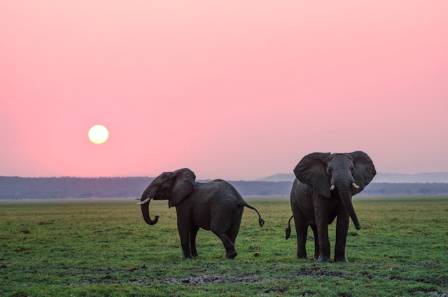
Elephants are the biggest land animals on our planet, and their appearance is truly unlike any other species. With their long, flexible trunks, large ears that flap, and sturdy, pillar-like legs, elephants stand out as one of nature’s most extraordinary creatures. Discover the various elephant species, their remarkable intelligence, and the modern threats they face.
· Mono
A Comprehensive Guide to Sculpting Animals with Clay Armatures
Sculpting animals can be a complex task because our brains often rely on general perceptions rather than anatomical facts. Features like thick fur or our emotional bond with a pet can obscure the actual physical structure of the animal. Challenges such as supporting a heavy body on thin legs or managing the sheer weight of the clay on a larger scale often frustrate beginners and professionals alike.

· Mono
The Most Impressive Race Cars In The Industry
The world of motorsport is filled with high-octane excitement, from Formula 1 circuits to the unpredictable challenges of rally racing. Across the globe, manufacturers compete in multiple championships each season, constantly pushing engineering limits to build faster, sharper, and more capable machines. A few cars, however, rise above the rest and earn legendary status.
· Mono
3D Street Art: The Ultimate 2026 Marketing Guide
While 3D street art has existed in various forms for centuries, the last three decades have seen it transform into a high-impact commercial tool. Brands leverage this medium to bypass traditional advertising fatigue, creating immersive experiences that turn passive observers into active participants. This guide explores the mechanics, history, and strategic implementation of 3D street art in modern marketing campaigns.

· Mono
Electric Toothbrush Buying Guide
Maintaining good oral hygiene starts with regular and effective tooth brushing. Brushing for about two minutes twice each day helps remove the daily accumulation of bacteria that form plaque, a sticky layer that can contribute to cavities, tooth decay, and gum problems.