Cinema essay
The Unsung Heroes of the Mangroves
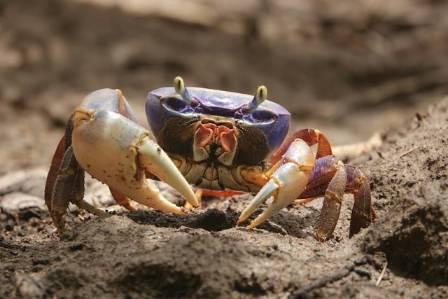
When people imagine mangrove forests, they often think first of tangled roots and the larger animals that depend on them, such as snappers, sharks, herons, and pelicans. However, these ecosystems also rely on much smaller creatures. Among the most easily overlooked is the mangrove tree crab, a tiny animal that performs an important function in keeping mangrove habitats healthy.
Elara Finch
Desk writer
Spotlight note
The full essay continues below the still.
Reel
Midnight Cinema Desk
When people imagine mangrove forests, they often think first of tangled roots and the larger animals that depend on them, such as snappers, sharks, herons, and pelicans. However, these ecosystems also rely on much smaller creatures. Among the most easily overlooked is the mangrove tree crab, a tiny animal that performs an important function in keeping mangrove habitats healthy.
The mangrove tree crab may be small, but its contribution to the ecosystem is enormous. By processing plant material and becoming food for other animals, it helps connect different parts of the coastal food web.
Meet the Mangrove Tree Crab
Scientifically known as Aratus pisonii, the mangrove tree crab lives in mangrove wetlands along the western Atlantic coast from Florida to Brazil and along Pacific coastlines from Nicaragua to Peru.
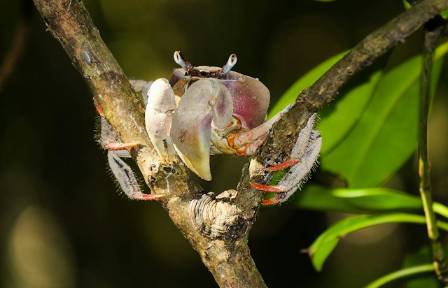
These small crabs are adapted to life among mangrove trees. Their bodies are generally green with mottled black and yellow markings, helping them blend into their surroundings as they move through mangrove branches and roots.
Despite their ecological importance, mangrove tree crabs are quite small. Their carapace generally measures no more than about 26 millimeters in width.
Mangrove Tree Crab Lifecycle and Breeding
The reproductive cycle of the mangrove tree crab is closely associated with the phases of the moon. Although breeding takes place throughout the year, the eggs tend to hatch around the full moon and new moon.
A female can produce as many as 27,500 eggs by the time she reaches approximately 18 months of age. She lays eggs about once during each intermoult period.
Survival is challenging for young mangrove tree crabs. The larval stage experiences the greatest mortality because the larvae are highly vulnerable to predators.
The Mangrove Tree Crab’s Ecological Role
Mangrove tree crabs play an important part in nutrient cycling within mangrove forests. Their primary food is mangrove foliage, which they cut into smaller pieces and consume.
By processing these tough leaves, the crabs help accelerate the breakdown of plant material and make nutrients available again within the ecosystem. Their waste also adds nutrients to the surrounding soil, helping support mangrove trees and other vegetation.
From Sunlight to Seafood
One of the most fascinating aspects of the mangrove tree crab's role is the way it helps transfer energy from terrestrial plants into the marine food web.
Mangrove trees capture energy from sunlight and store it in their leaves. The crabs consume those leaves and transform the plant material into their own biomass. When the crabs reproduce, their larvae enter the aquatic environment and become food for fish and other marine animals.
In this way, mangrove tree crabs form an important connection between land-based mangrove vegetation and the animals living in nearby waters.
The Energy Transformation Process
Photosynthesis in Mangrove Trees
Through photosynthesis, mangrove trees use sunlight to produce chemical energy that is stored within their leaves. These highly productive trees make an important contribution to primary production in coastal environments.
Consumption by Mangrove Tree Crabs
Mangrove tree crabs feed directly on mangrove leaves. As they digest the plant material, the energy contained within those leaves becomes part of the crabs' own biomass. Their feeding activity also helps break down difficult-to-decompose plant matter and return nutrients to the ecosystem.
Reproduction and Larval Contribution
Female mangrove tree crabs produce thousands of eggs, which eventually hatch into planktonic larvae. These tiny larvae enter the marine food web and become an important food source for fish and other aquatic organisms.
As a result, energy originally captured by mangrove leaves is transferred into the marine environment through the crab larvae.
Their Place in the Food Web
Small fish consume mangrove tree crab larvae, and larger fish then prey on those smaller fish. This creates a chain of energy transfer throughout the aquatic food web.
The process demonstrates how mangrove tree crabs help connect terrestrial and marine ecosystems and contribute to the overall balance of coastal environments.
The Impact of Mangrove Tree Crabs
Mangrove Tree Crab Density
In certain mangrove forests, populations can reach densities of up to 80 mangrove tree crabs per square meter. Such large numbers allow substantial quantities of fallen and living leaf material to be processed and converted into crab biomass.
Reproductive Output
A single female may produce approximately 10,000 to 50,000 eggs in one clutch. Because reproduction can produce such large numbers of larvae, the amount of biological energy transferred into the water can be considerable.
Larval Survival and Predation
Most mangrove tree crab larvae do not survive long enough to become adults. Estimates indicate that fewer than 1 percent eventually reach maturity.
Despite this extremely high mortality rate, the larvae are still ecologically important because they provide an abundant food source for fish and other marine animals during their early development.
Ecological Significance
The relationship between mangrove tree crabs and their surroundings illustrates the complex connections that exist within coastal ecosystems.
By feeding on mangrove leaves, these crabs help process organic material and support nutrient cycling. Their larvae then enter the marine food web and provide nourishment for fish and other aquatic species.
Through these processes, mangrove tree crabs help transfer energy between mangrove forests and coastal waters, contributing to the productivity and biodiversity of both environments.
Conservation Challenges
Mangrove habitats are under pressure from a variety of threats, including deforestation, pollution, and climate change.
Protecting these ecosystems is essential not only for mangrove tree crabs but also for the many other species that rely on mangrove forests. Preserving healthy mangrove habitats helps maintain the complex ecological relationships that support coastal biodiversity.
Supporting responsible ecotourism and broader conservation initiatives can contribute to protecting these important environments and the species that depend on them.
Conclusion
The mangrove tree crab is a small creature with an outsized ecological role. Through its consumption and processing of mangrove leaves, it contributes to nutrient cycling, while its larvae provide an important source of food for marine animals.
Together, these functions make the mangrove tree crab an important part of the health and productivity of mangrove ecosystems. Protecting the habitats where these crabs live also helps preserve the many interconnected species and ecological processes that depend on healthy coastal forests.
More from the desk
· Mono
The Most Adorable Duck Breeds You Have to See
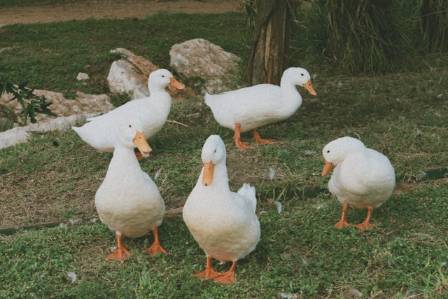
Ducks are a riot of personality and color, and some breeds stand out for their irresistible charm from hatchling to adulthood. This piece highlights a handful of cute duck breeds, exploring what makes them special, whether as backyard companions or simply as captivating sights in the wild or in zoos.
· Mono
The Most Scenic Hiking Trails in Michigan
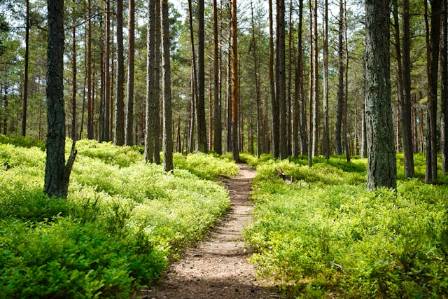
Michigan’s varied landscapes, impressive natural scenery, and four distinctive seasons make hiking throughout the state an experience worth remembering.

· Mono
Understanding the Technology Behind Smart Scales
Many people step on a smart scale and wonder how a device that only touches their feet can provide information about body fat, muscle mass, water percentage, and other health indicators.
· Mono
10 Amazing Things Mt. Fuji is Known For
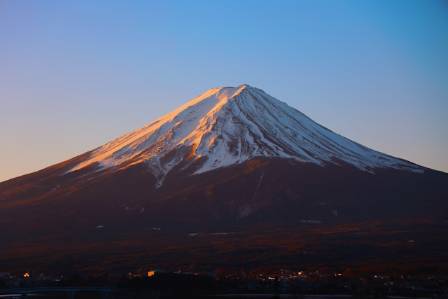
As the tallest mountain in Japan and a designated UNESCO World Heritage Site, Mount Fuji has long fascinated artists, pilgrims, and travelers. Surrounded by lakes, hot springs, shrines, and seasonal landscapes, it represents far more than a scenic landmark—it stands as a powerful symbol of Japanese identity, nature, and spirituality.
· Mono
Matcha Dessert Recipes You Need To Make At Home Right Now
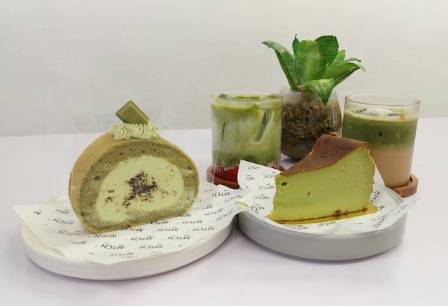
If you love matcha and are looking for new ways to enjoy it, you’re in the right place. This guide highlights 10 of our favorite matcha-based desserts, blending traditional Japanese treats with modern creations. Keep reading to discover a variety of delicious matcha sweets you can make at home.

· Mono
Types of Glass Art
The classification of glass art is largely determined by the method used to create it. The techniques and processes an artist employs to craft contemporary glass pieces often define how the work is described.