Cinema essay
Understanding the Emperor Penguins of Antarctica
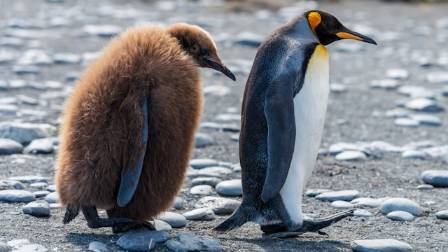
Emperor penguins are remarkable inhabitants of the Antarctic, possessing unique biological traits and behavioral patterns that allow them to thrive in one of the most inhospitable environments on the planet. As the largest members of the penguin family, these birds are not only iconic symbols of the frozen south but also masters of survival.
Emily Harris
Desk writer
Spotlight note
The full essay continues below the still.
Reel
Midnight Cinema Desk
Emperor penguins are remarkable inhabitants of the Antarctic, possessing unique biological traits and behavioral patterns that allow them to thrive in one of the most inhospitable environments on the planet. As the largest members of the penguin family, these birds are not only iconic symbols of the frozen south but also masters of survival.
Physical Characteristics and Dimensions
The Emperor penguin is a visually striking bird, recognized by its classic tuxedo-like appearance: a white underbelly contrasted with a black head, back, tail, and wings. Their most distinct features are the vibrant yellow and gold patches found on the sides of their heads and necks. In terms of size, they are the giants of the penguin world, standing approximately 115cm tall—roughly the height of a six-year-old human child.
Life in the Extreme Cold
These birds spend their entire existence in Antarctica, where they must endure temperatures that plummet as low as -60°C. To combat the lethal chill, Emperor penguins possess several specialized physical adaptations. They maintain significant reserves of insulating body fat and are covered in multiple layers of scale-like feathers that act as a barrier against freezing winds. Socially, they utilize a communal heating strategy, huddling together in massive groups to share body warmth.
Breeding and Survival Cycles
The breeding season begins at the onset of the Antarctic winter in April. By June, the female typically lays a single egg. Having exhausted her energy reserves, she carefully transfers the egg to the male and departs for the open ocean—a journey that can span 80km—to hunt for fish, squid, and krill.
For the next two months, the males are the sole guardians of the eggs. They keep the eggs warm by balancing them on their feet and tucking them under a "brood pouch," which is a flap of feathered skin. During this period, the males do not eat, enduring the harshest winter conditions to ensure the egg survives. Without this specialized warmth, a chick would perish in just a few minutes.
Chick Rearing and Independence
The females return in July with bellies full of food, which they regurgitate for the newly hatched chicks. At this stage, the parents swap roles; the females take over the care of the young while the males finally head to the sea to feed. As the chicks grow, they gather in protective groups known as "crèches" while both parents forage. By December, as the summer warmth begins to break up the sea ice, the chicks have developed their waterproof plumage and are ready to take to the ocean to swim and hunt independently.
Aquatic Prowess and Conservation Status
In the water, Emperor penguins are elite athletes. They are highly efficient swimmers and can dive to depths exceeding 500m. Their physiological adaptations allow them to remain submerged for up to 22 minutes, far surpassing the diving capabilities of most other birds.
Despite their resilience, Emperor penguins are currently classified as "near threatened." Their future is challenged by global warming, which reduces the stable sea ice required for breeding, and overfishing, which depletes their primary food sources. Protecting the Antarctic environment is essential to ensuring these magnificent birds do not face a rapid population decline.

More from the desk

· Mono
The Stone Forest in Kunming
If you want to experience a complete collection of karst stone forest landscapes in one destination, Yunnan’s Stone Forest is the ideal place. It is recognized as the only subtropical plateau karst stone forest of its kind anywhere in the world.

· Mono
Unlocking the Tranquility: The Soothing Symphony of Ocean Waves
In the realm of wakefulness and slumber, our minds interpret sounds in distinctive ways. Some resonate as alarms, demanding our immediate attention—an urgent wake-up call, a piercing scream, or a sudden, jarring bang. These are the sounds that trigger our alertness, signaling potential threats.

· Mono
The World's Most Spectacular Ski Destinations You Need to Visit
For snow enthusiasts seeking the ultimate winter getaway, these world-class ski resorts offer unparalleled slopes, breathtaking scenery, and luxurious amenities. From powdery backcountry terrain to perfectly groomed runs, these destinations represent the pinnacle of alpine experiences.
· Mono
Elephants: Majestic Giants of the Wild
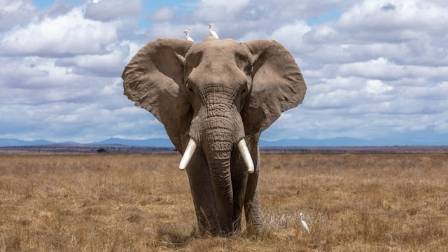
The Largest Land Mammal Elephants hold the title of the world’s largest land animals. African Savanna elephants, the biggest of the three species, can stand up to 3 meters tall and weigh as much as 6,000 kilograms. Male elephants don’t reach full maturity until they are 35-40 years old, a significant portion of their lifespan, which can extend to 60-70 years. Even newborn calves are impressively large, weighing around 120 kilograms at birth.
· Mono
Pallas's cat: One of the world's oldest felines
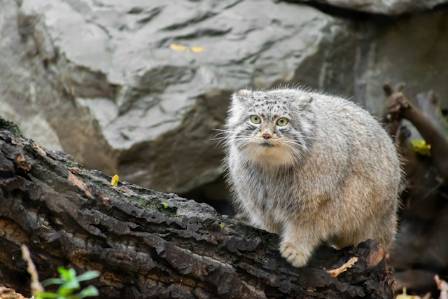
Pallas's cat is a small wild feline found across Central Asia. Its short legs and extremely thick coat give it a much larger and heavier appearance than its actual size suggests. However, the unusual yelping sounds it makes when frightened or stressed can quickly reveal just how small this cat really is.
· Mono
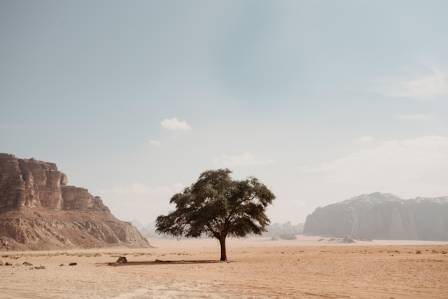
The Lonely Tree of Ténéré: Its Story and Fate
The Sahara Desert is one of the harshest environments on Earth, where survival is extremely difficult under intense heat and endless sand. Yet, for centuries, a single tree managed to endure in this remote wilderness—only to eventually be destroyed by a moment of human error.